
Greece rewards groups that plan carefully and travel together. Friends, big families, clubs, school parties and company teams all find plenty to share, from white island villages to ancient temples on rocky hills. This smart guide to Greece tours covers the top sights, the trips available and the extras each group receives.
Travelling from abroad as a group brings its own challenges. Someone has to book the trips, move a crowd between sites and find restaurant tables big enough for everyone. My Greece Tours shares practical ideas for all of this. The sections below cover the islands, Athens, the classical sites, Crete and Corfu in turn.
Why Do Greece Tours Of The Islands Suit Groups?
Island Greece tours suit groups because one boat, one guide and one plan keep everyone together. Swim stops, shared meals and slow days let each person relax at their own speed. Trip ideas from Greece tours and Tours In Greece show how relaxed island days can work for a whole party of travellers.
Which sights top the list in the islands?
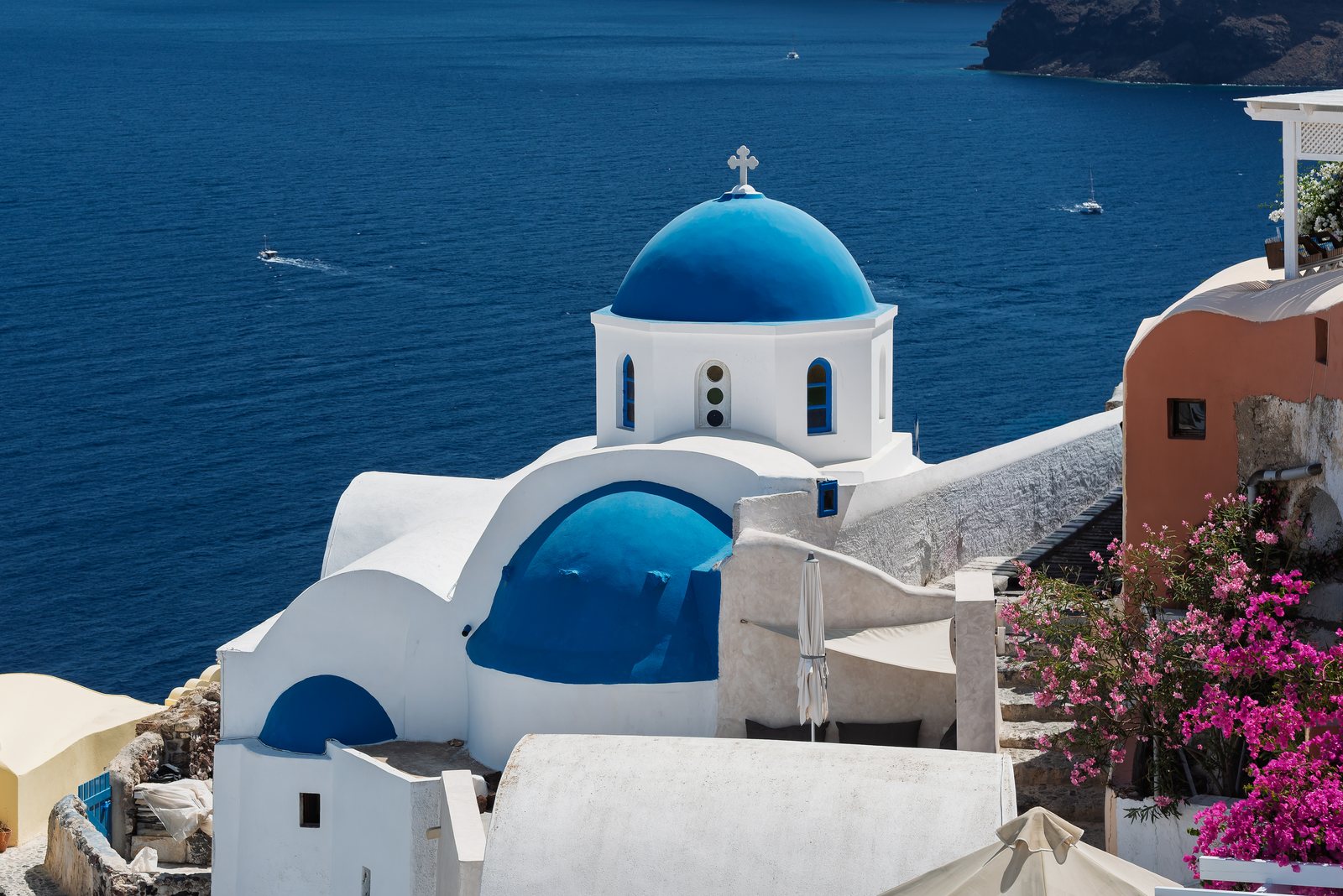
On Santorini, the villages of Oia and Fira line the rim of the caldera. This giant bowl in the sea formed when an ancient volcano erupted and collapsed. White houses and blue domes look down on deep blue water. At sunset, groups gather on a terrace and watch the evening sky turn gold together.
Mykonos town is a maze of white lanes, tiny chapels and colourful doors. Its row of old windmills stands on a low hill above the harbour. The houses of Little Venice rise straight out of the waves. A short boat ride away lies Delos, a sacred island where myth says the god Apollo was born.
The ruins of Delos spread across the island, with temples, homes and marble lions. Milos adds Sarakiniko, a beach of white volcanic rock that looks like the moon, and Kleftiko, where sea caves once hid pirates. Naxos has the Portara, a huge marble doorway from an unfinished temple. Paros has Naoussa, a lively fishing harbour.
What sort of Greece tours run in the islands?
Private tours with a driver-guide or a skipper suit families and close friends who want their own relaxed pace. They are priced per group, so everyone in a full car or boat shares one fee. Island Greece tours on a private boat let the group choose the bays, the music and the time for lunch.
Boat cruises with swim stops suit mixed groups, because swimmers jump in while others relax on deck. Full-day trips from Athens by coach reach the nearest islands with a short sea crossing. They suit groups based in the capital. Older members enjoy the comfortable seats, the fixed route and the clear return plan.
Snorkel and beginner scuba trips suit the energetic members, and instructors teach the basics before anyone goes under. Cooking classes suit every age, while wine tastings suit the adults with a taste for local flavours. Many groups split up for a morning of sport or food, then meet again for dinner by the water.
What do groups get with Greece tours in the islands?
Most island trips include lunch on board or a BBQ meal on a quiet beach. Drinks come too, and some cruises pour them without limit. For a group, this means nobody has to hunt for food or split lots of small bills. Everyone eats at the same time, so the plan stays on track.
A licensed or local guide explains each stop, from old myths to the safest place to swim. Snorkel gear is handed out on board, so nobody needs to pack masks or fins. Swim stops in clear bays give the group a chance to cool off together, which often becomes the best memory of the day.
Free time to explore matters as much as the plan. On Greece tours of the islands, groups often get a free spell in a village to shop, wander and try traditional sweets. Wine tastings at small island wineries round off the day for the adults. Younger members enjoy fresh juice and tasty snacks instead.
Which smart moves help groups in the islands?
Book boat days early in the trip, because strong wind can cancel a sailing. A spare day then lets the group try again. Start early to beat the heat and the crowds from the cruise ships. Choose one organised leader to hold the booking details, answer questions and count heads at every stop.
Pack hats, reef-safe sun cream, refillable water bottles and a light layer for the breeze on deck. Anyone who gets seasick should sit in the middle of the boat and watch the steady horizon. Plan Greek island hopping with comfortable gaps between islands, so a delayed boat never ruins the following day.
Why Do Greece Tours In Athens Suit Groups?
Greece tours in Athens suit groups because the big sights sit close together. A guide brings the old stories to life, and shared meals turn sightseeing into a party. The capital also makes a comfortable first stop after a long flight. It offers plenty of hotels with space for large group bookings.
Which sights top the list in Athens?
The Acropolis is the rocky hill at the heart of Athens, and the Parthenon crowns it. This marble temple was built for Athena, the goddess of wisdom who gave the city its name. Below the hill, the Acropolis Museum keeps the original statues and carvings safe, with glass floors that show old streets underneath.
The Ancient Agora was the old market and meeting place, where people argued about laws and the thinker Socrates walked with his students. Hadrian’s Arch, a gateway built for a Roman emperor, stands beside the giant columns of the Temple of Olympian Zeus. Only some columns survive, yet they still make every visitor look tiny.
The lanes of Plaka wind under the Acropolis, full of tavernas, small shops and quiet squares. At Syntagma Square, guards in pleated kilts and pom-pom shoes change places in front of Parliament with slow, high steps. Later, groups watch the sunset from Cape Sounion, beside the Temple of Poseidon, god of the sea.
What sort of Greece tours run in Athens?
Guided walking tours are the classic choice in the historic centre. They suit groups of mixed ages, because the guide sets a steady pace and stops often in the shade. Many Greece tours in Athens begin with a morning walk up the Acropolis hill, then wander down through Plaka for a long lunch.
Private tours with a driver-guide are priced per group, which suits families and company teams who want a vehicle to themselves. The driver waits at each stop, so tired legs can rest between sights. A private trip along the coast road to Cape Sounion is a favourite for this style, especially in the evening.
Boat cruises with swim stops leave from the coast near Athens, and a private skipper can take a club out for the day. Cooking classes and wine tastings suit groups who love food and good conversation. Everyone learns a classic Greek dish, then sits down to eat it together at one long table.
What do groups get with Greece tours in Athens?
A licensed guide is the key extra on Athens Greece tours. Only state-licensed guides can lead groups inside the ancient sites and museums, and they turn broken stones into living stories. For a group, one clear voice also keeps everyone moving in the same direction, even in busy crowds at the main gates.
Food is the next big plus. Cooking classes end with lunch at a shared table, and coastal boat days often add a BBQ meal on deck. Drinks come with these meals, and some trips make them unlimited. That keeps a group celebration going without anyone paying for extra rounds or sorting out the bill.
Wine tastings bring local grapes and plain talk about how Greek wine is made, which adults in a group often love. On sea trips, swim stops in clear water give everyone a break from the city heat. These extras mean less planning for the organiser and more shared moments for everyone on board.
Which smart moves help groups in Athens?
Visit the Acropolis at opening time or late in the day to avoid the strongest sun. Book timed entry slots well ahead for big groups, and keep the whole party on the same slot. Agree on one meeting point, such as a café in Plaka, in case anyone drifts away from the group.
Wear shoes with good grip, because the marble paths on the hill are smooth and slippery. Carry water, hats and sun cream for every member, including the youngest children. Mix busy days with free attractions in Athens. Shady parks and hills with city views give tired feet a proper rest.
Why Do Greece Tours Of The Classical Sites Suit Groups?
Greece tours of the classical sites suit groups because old ruins make sense with a guide. Tickets and hotel nights come arranged, so the group simply follows the story. Teachers, history clubs and curious families learn far more when an expert explains each site. Every broken column then gains a name and a story.
Which sights top the list in the classical sites?
Delphi sits on a steep mountain slope, where the ancient Greeks believed the centre of the world lay. At the Temple of Apollo, a priestess called the oracle gave puzzling answers to kings and cities. Further north, the Meteora monasteries, homes for monks, perch on tall rock towers that seem to touch the clouds.
In the Peloponnese, the large peninsula in the south, Mycenae guards its Lion Gate. This stone entrance has carved lions above the door, and legend links it to King Agamemnon. The theatre of Epidaurus is famous for its sound, because a whisper on stage carries all the way up to the top seats.
Nafplio is a pretty old town by the sea, with a hilltop castle, marble lanes and ice cream shops. Ancient Olympia is the birthplace of the Olympic Games, held long ago to honour Zeus. On the way back, groups stop at the Corinth Canal, a narrow cut through solid rock with steep walls.

What sort of Greece tours run in the classical sites?
Full-day trips from Athens by coach are the simple way to see Delphi, or Mycenae and Epidaurus together. They suit school parties and large clubs, since one coach carries the whole group. Small-group tours suit friends who want a smaller vehicle, more time for questions and a slower walk around each site.
Multi-day tours with hotel nights link several sites in one loop, such as Delphi with Meteora or Nafplio with Olympia. They suit families and retired groups who prefer one long trip to many early starts. Luggage rides with the group, so nobody drags bags between towns or worries about the next bed.
Guided walking tours inside each site suit history lovers who want every detail and every legend explained. Plain entry tickets suit groups who want to explore at their own pace. These self-guided Greece tours work best when one member reads up on the site beforehand and shares the stories at each stop.
What do groups get with Greece tours in the classical sites?
A licensed guide stands at the centre of every good classical day. By law, only state-licensed guides can lead groups inside Greek archaeological sites, so the group hears facts that have been checked. The guide also knows where to find shade, where to sit and where to take the best group photo.
Entry tickets come with most Greece tours of the classical sites, which saves a long wait at the ticket office. For a large group, this matters a lot, because buying passes for every member takes time and patience. The guide hands out the tickets, and the whole party walks straight in together.
Hotel nights on multi-day trips remove a big headache for organisers. Rooms are booked ahead in places such as Nafplio, Kalambaka below Meteora, and Olympia. Groups wake up close to the next site, so mornings start calm instead of rushed. Breakfast together also gives the guide time to explain the plan for the day.
Which smart moves help groups in the classical sites?
Arrive early at Delphi and Olympia, before the coach crowds and the midday heat. Most ancient sites offer little shade, so pack hats, water and sun cream for everyone. Wear comfortable trainers or walking sandals, because the paths are dusty, rocky and uneven. Loose stones also roll underfoot on the steeper, slippery slopes.
Ask the guide to carry a bright flag or colourful umbrella, so the group can follow it through the crowds. Read a short myth aloud on the coach to set the scene for younger members. For longer routes, compare Greece historical tours before booking, and match the daily pace to the slowest walker.
Why Do Greece Tours Of Crete And Corfu Suit Groups?
Greece tours of Crete and Corfu suit groups because these big islands mix beaches, old towns and ruins. A group can stay in one hotel and still see plenty. Fewer hotel changes leave more time for long meals and slow evenings together. Both islands also offer a wide choice of family hotels and seaside villas.
Which sights top the list in Crete and Corfu?
On Crete, Knossos was the palace of the Minoans, an early people who ruled the sea long before classical Athens. Legend places the maze of the Minotaur, a bull-headed monster, beneath its halls. Nearby Heraklion, the busy capital, keeps their painted art in its museum, and its harbour fort still watches the boats.
In the west, the Venetian harbour of Chania charms groups with its lighthouse and waterside cafés. Balos is a lagoon of shallow turquoise water, and Elafonisi is known for its pink-tinted sand. On Corfu, the old town has tall pastel houses and arched walkways, and its Old and New fortresses still guard the sea.
Further afield, Lindos on Rhodes is a white village under a hilltop acropolis, which means a fortified high town. On Zakynthos, Navagio cove hides a rusting shipwreck on a dazzling white beach between tall cliffs. Many groups add these islands to Greece tours of the larger islands for one more picture-perfect highlight.
What sort of Greece tours run in Crete and Corfu?
Private tours with a driver-guide or skipper are priced per group. They suit big families on Crete, where the sights are spread far apart. A skipper can also take friends along the Corfu coast to quiet coves. Boat cruises with swim stops suit mixed groups heading to Balos or the Navagio cove.
Guided walking tours suit Chania, Heraklion and Corfu old town, where the best details hide in back lanes. Entry tickets suit groups who want to explore Knossos at their own pace. Groups who start their holiday in the capital often join full-day trips from Athens by coach first, then fly on to the big islands.
Cooking classes suit every age, from company teams to grandparents and teens. On Crete, local cooks share recipes for olive oil dishes and cheese pies baked in the oven. Wine tastings suit the adults, pairing island wines with olives and fresh bread. Both make easy, social evenings for any group that likes to eat.
What do groups get with Greece tours in Crete and Corfu?
Boat days on these islands often include lunch on board or a BBQ meal on a beach. Drinks are part of the deal, and some trips serve them without limit. This keeps costs simple, because the whole group pays once and eats together. Nobody has to wander off in search of a snack bar.
A licensed or local guide brings Knossos and Corfu old town to life with myths and plain facts. Entry tickets are often included, so the group skips the queue at the gate. That saves precious time for organisers, who would otherwise stand in line buying a pile of tickets in the summer heat.
Swim stops at Balos, Elafonisi or a Corfu cove are the highlight for many members. Wine tastings round off land days with local grapes, cheese and olives. Together, these extras make Greece tours of Crete and Corfu feel complete. Very little is left for the group leader to arrange on the spot.
Which smart moves help groups in Crete and Corfu?
Crete is large, so split the stay between a western base and an eastern base instead of driving every day. Start beach trips early, because the most popular lagoons fill up quickly by midday. Book one driver-guide for the whole party, so nobody gets lost on the winding mountain roads between sights.
Pack water shoes for rocky beaches, plus sun cream, snacks and a light jacket for breezy evenings. In Corfu town, agree on a meeting point near the old fortress, because the narrow lanes twist and turn endlessly. Read up on Corfu before the trip, so the group can choose its favourite beaches early.
Conclusion: Greece Tours For Groups, Planned Well
Greece gives groups a rare mix of sea, sun and old stories, all shared around one table. Smart Greece tours match each place to the right style of trip. Boat days suit the islands, guided walks suit Athens and coach days suit the ancient sites. Crete and Corfu then add golden beaches and charming towns.
The best trips start with a clear plan, a calm leader and some spare time for surprises. Read about Greece group tours to shape the practical details before anyone books. With the right guide, meals and tickets in place, every member comes home with shared stories, new friends and plans to return.
Frequently Asked Questions About Greece Tours For Groups
What makes Greece tours good value for groups?
Private Greece tours are priced per group, so the fee is split between more people as the group grows. Shared extras such as lunch, drinks and entry tickets also cut down on lots of small bills. The result is a simpler budget, fewer surprises and more money left for dinners together.
Are Greece tours easy to book from abroad?
Yes, most Greece tours can be booked online in English well before the group leaves home. Organisers should confirm pickup points, group size and any needs for children or older members in writing. Booking early is wise for the summer months, when the best trips fill up fast.
Do Greece tours include a guide and entry tickets?
Many Greece tours include a licensed guide, and only state-licensed guides can lead groups inside Greek archaeological sites. Entry tickets come with some trips but not with others, so the details matter. Organisers should check what is included before paying, so nobody gets stuck at the gate.
How many Greece tours fit in one week?
Most groups enjoy a tour every other day, with beach days or free days in between. This steady rhythm keeps energy high on Greece tours, especially for children and older members. Packing too many trips into a week leaves people tired, grumpy and less keen on the next early start.
Can Greece tours start at the airport or the port?
Yes, many private Greece tours offer pickup at the airport, the cruise port or the group hotel. This suits groups who land with little time to spare and want to head straight out. Organisers should share flight or ship details early, so the driver knows exactly when and where to wait.
Which month suits Greece tours best?
May, June and September suit Greece tours best for most groups, with warm sea water and fewer crowds than high summer. July and August bring strong heat and busy sites. Spring and autumn also suit long walks around the ancient ruins, when the hills are green and the air is mild.
How do groups build a smart plan for Greece tours?
Groups build a smart plan for Greece tours by agreeing on shared goals first. Then they choose a base, set a gentle pace and book the key days early. This simple order keeps the big decisions calm, fair and quick for everyone, from the youngest child to the oldest grandparent.
Who sets the goals for the group?
Every strong plan starts with one organiser and one honest chat. The organiser asks each member what matters most, such as beaches, history, food or rest. Greece tours work best when these wishes are written down before anyone books a flight.
Big families often hold very different wishes under one roof. Grandparents want shade and gentle walks, while teenagers want boats, beaches and late dinners in lively squares. A guide to family-friendly travel tips helps the organiser please every generation without endless debate.
Company groups add another layer, because the trip mixes fun with team goals. Their Greece tours often pair one shared activity each day with free evenings. That balance keeps colleagues friendly and relaxed, without making the holiday feel like another week at the office.
Clubs and groups of friends usually share one passion, such as walking, food or diving. Their Greece tours can follow that theme from start to finish. A clear theme also makes choices easier, because every option either fits the plan or quietly drops off the list.
How do groups balance pace and interests?
A smart plan mixes busy days with slow ones. After a long day at an ancient site, the next day suits a beach, a boat or a lazy lunch. Greece tours feel easier when nobody has to rush from one early start to the next.
The right tour style also shapes the pace. Reading about choosing the right Greek tour helps groups compare guided days, free days and longer trips. It also shows which formats suit older members and which suit lively young travellers best.
Escorted travel suits groups who want every link in the chain arranged for them. Sample escorted tour itineraries show how the days, hotels and transfers fit together. Organisers can then borrow the best ideas for their own Greece tours.
Splitting up for a morning also helps a group stay happy. History fans can join a museum visit while others swim, then everyone meets again for dinner. Greece tours for groups do not need every member doing the same thing all day long.
Why do groups prefer guided Greece tours?
Groups prefer guided Greece tours because one expert handles the route, the stories and the timing. Nobody has to read maps or argue about directions. The organiser finally gets to relax and enjoy the trip as well, instead of acting as a full-time tour leader.
What does a licensed guide add?
In Greece, only state-licensed guides may lead groups inside archaeological sites and museums. These guides complete special training and pass strict exams before they work. On Greece tours, that training turns piles of old stones into stories about gods, kings and everyday life.
A good guide also reads the group. They slow down for older members, add jokes for teenagers and welcome the curious questions. This personal touch explains why guided Greece tours feel warmer than a visit with a guidebook and a phone.
Guides know the quiet corners as well. They know which path has shade, which bench has the best view and where the nearest toilets are. For a big group, these small details save time, energy and tempers on hot afternoons.
A guide also handles problems before the group notices them. A closed gate, a late bus or a sudden storm becomes a quick change of plan instead of a crisis. Guided Greece tours give organisers a calm partner who knows the local answers.
How do guides help with local customs?
Greek life has its own rhythm and manners, and a guide explains them gently. Knowing the basics of local cultural etiquette helps groups dress well for churches and monasteries. Covered shoulders and knees are expected at many holy places.
Guides also teach useful words along the way. Learning basic Greek phrases such as kalimera for good morning and efharisto for thanks wins smiles in tavernas and shops. Groups on Greece tours often find that locals open up when visitors try.
The size of the group shapes how much a guide can share. Organisers can compare small-group and private experiences to find the right fit. Smaller Greece tours leave more room for questions, stories and quiet moments at each stop.
Large families and company teams often prefer their own guide for the day. Personalised private tours let the guide shape every stop around one group. Private Greece tours also make it easy to pause for photos, snacks or a swim.
How do groups handle tickets and timing on Greece tours?
Groups handle tickets and timing on Greece tours by booking timed entries ahead and starting early. One person keeps every ticket safe in one place. Clear timing turns a hot, crowded site into a calm visit that every member of the group enjoys.
When should groups buy tickets?
Popular sites sell timed entry slots, and the best slots vanish fast in summer. Groups should read about buying Acropolis tickets in advance before they travel. One booking for the whole party keeps everyone on the same entry time.
Reduced or free entry exists for some visitors, such as children and students from the European Union. Members who qualify should carry their ID, because staff check it at the gate. On Greece tours, the guide tells the group which papers to bring.
The organiser should keep tickets on one phone and a printed copy in a bag. Phones die in the heat, and a paper backup prevents a stressful delay. Even Greece tours with tickets included need names and booking details checked the night before.
How do groups beat heat and crowds?
Timing matters as much as tickets. Early mornings and late afternoons bring softer light, cooler air and thinner crowds. Many Greece tours start at opening time for exactly this reason, and groups who join them enjoy the sites in peace.
Midday is best spent in the shade, over a long lunch or inside a cool museum. Groups who rest at noon keep their energy for the evening, when Greek towns come alive. This rhythm matches local life and suits members of every age.
Light bags make long days far easier for everyone. Advice on packing light for island tours works just as well for a day at an ancient site. A simple day kit for Greece tours includes these items.
- A refillable water bottle for each member
- Hats, sunglasses and strong sun cream
- Comfortable shoes with good grip
- A light scarf to cover shoulders in churches
- Copies of tickets and ID in one bag
Groups should also read some simple safety tips before busy days. Members should keep valuables close in crowds, drink water often and rest in the shade. Agreeing on a meeting point at every site means nobody panics if someone wanders off.
How do groups share costs on Greece tours?
Groups share costs on Greece tours by agreeing on one simple system before the trip. Shared items go into a common pot, while personal extras stay personal. This clear rule keeps friendships safe from awkward money arguments during and after the holiday.
Which costs do groups split?
Private tours, boats and drivers are booked for the whole party, so splitting them evenly is fair and simple. Each extra member makes every share a little lighter. That makes private Greece tours a smart choice for big families and clubs.
Shared meals are another big item. Many groups order lots of dishes for the middle of the table, the Greek way, and split the bill evenly. Drinks and desserts can follow the same rule or stay personal, as long as everyone agrees early.
Some costs belong to each person, and the group should say so clearly. Souvenirs, spa visits and extra activities on free days stay outside the shared pot. Greece tours run more smoothly when everyone knows this rule from the very first day.
How do groups keep money fair and simple?
A shared budget app or a simple spreadsheet tracks who paid for what. The organiser updates it each evening, so nobody faces a nasty surprise later. Settling up once at the end of Greece tours keeps daily life relaxed and friendly.
Cards work in most shops and restaurants, yet small tavernas, kiosks and village bakeries often prefer cash. Groups should carry some cash for tips, snacks and island shops. Smart budget tips for Greece help groups travel well for less.
Booking early also saves money for groups. Greece tours and hotels cost less outside the busiest weeks of summer, and early deposits secure the right rooms. Fair sharing plus smart timing leaves more money for the fun parts of the holiday.
Finally, the organiser deserves real thanks. Many groups cover a small share of the organiser’s costs or treat them to a special dinner. This kind gesture rewards the hard work behind smooth Greece tours and encourages the same person to plan the next trip.
Which Greece tours suit groups flying in from the UK?
Greece tours that suit UK groups are short, sunny and easy to reach. Island boat days, guided walks in Athens and relaxed food trips fit a week away perfectly. Direct flights from many British airports land close to beaches, harbours and ancient sites, especially during the summer season.
Which trips fit a short break from the UK?
Many British groups visit Greece for a week or less, so every day counts. Greece tours that start near the hotel save precious holiday time. Resort pickups let friends and families spend the morning on a boat instead of on a bus.
First visits often focus on a single island base rather than a long route. Reading about the Greek islands for first-timers helps groups choose a friendly base. Santorini, Crete, Corfu and Rhodes all welcome British groups with easy day trips.
Birthday crews, hen parties and sports clubs love shared boat days with music and swim stops. Families prefer calmer Greece tours with snorkelling, shade and an early return. Both styles run well from the main resort towns, so mixed groups can split and meet again later.
British drivers should remember that Greek traffic keeps to the right. Booking a driver-guide removes that worry and lets everyone enjoy the views. Private Greece tours with a driver also suit groups who want a glass of wine at lunch.
When do UK groups travel best?
School holidays shape many British family trips, and those weeks bring the busiest beaches and the hottest sun. Groups with flexible dates should study the best time to visit Greece before booking. Late spring and early autumn bring warm seas and calmer Greece tours.
Island hopping needs planning when a group lands on one island and wants to see another. Some practical Greek ferry booking tips help organisers reserve seats together. Early booking keeps a big party on the same sailing during the busy summer season.
British travellers should pack a plug adapter, because Greek sockets differ from those at home. Strong sun cream matters too, since the Greek sun feels far fiercer than a British summer. Greece tours on boats and hills offer little shade at midday.
Weekend and holiday flights fill fast, so organisers should secure seats early for the whole party. Arriving on the same flight keeps airport transfers simple and cheaper. The first guided morning can then start with every member present and rested.
Which Greece tours suit groups from the rest of Europe?
Greece tours that suit groups from the rest of Europe mix land, sea and island travel into longer, slower routes. Shorter journeys from home make these flexible plans easy. Many European groups combine islands, mainland towns and ancient sites in one relaxed, unhurried trip.
How do European groups reach Greece by land and sea?
Some European groups skip the plane altogether. Ferries cross the sea from Italy to western Greece, and coaches or cars continue from the ports. Practical advice on ferry travel in Greece helps groups choose comfortable cabins and deck seats.
Groups who drive their own cars or minibuses gain real freedom on the mainland. They can stop at hilltop villages, beaches and tavernas whenever they like. Parking near old town centres is tight, so local advice on drop-off points saves time and patience.
Once in Greece, trains and buses link many mainland towns. A guide to exploring Greece by public transport shows how groups can reach Delphi, Meteora or Nafplio for less. Greece tours can then start in each town with a licensed local guide.
Travelling by land and sea also fits greener habits. Many European groups care about sustainable travel in Greece, from refilling bottles to hiring local guides. Greece tours that use walking routes and family-run tavernas spread money fairly across island and village communities.
Which trips suit groups from nearby countries?
European groups often stay longer and move between several islands. Advice on travelling between the Greek islands helps them link ferries and flights into one smooth route. Greece tours on each island then fill the days between crossings.
Clubs from Germany, France, Italy and the Netherlands often travel with a shared hobby. Hiking groups head for the gorges of Crete and the mainland mountains, while diving clubs seek clear island bays. Greece tours built around one hobby keep every member happy.
Most European groups pass through arrivals quickly, because Greece belongs to the Schengen area. Groups from the eurozone also spend the same money as at home, which keeps budgets simple. That leaves more energy for the first Greece tours of the holiday.
Shoulder seasons suit European groups especially well, since they can travel on short notice. Spring brings wild flowers on the hills, and autumn keeps the sea warm. Greece tours in these quieter months feel relaxed, with fewer queues and friendlier prices.
Which Greece tours suit groups from the US?
Greece tours that suit American groups are longer trips joining Athens with islands and ancient sites. Guided days with clear plans help everyone recover from the long journey. American groups often prefer escorted days with hotel pickups and a single trusted guide.
How do American groups handle jet lag?
The flight from the United States is long, and jet lag hits hard at first. Smart groups plan a gentle first day with a short walk, an early dinner and plenty of water. Big Greece tours wait until everyone has slept well.
Sunlight helps the body clock reset faster after a long flight. A morning walk on the slopes below the Acropolis does more good than a long afternoon nap. Groups should save heavy dinners and late nights for later in the holiday.
Athens makes the easiest landing point for most American groups. A clear Athens itinerary for first-timers helps them pace the city over the opening days. Guided walks in the cool morning ease tired travellers into Greek time.
American travellers should bring plug adapters, because Greek sockets and power differ from home. Cards work widely, although small tavernas and kiosks often prefer cash. A quiet first evening in Plaka helps the group adjust before the busier Greece tours begin.
How do American groups plan a longer trip?
Because the journey is long, many American groups stay in Greece for well over a week. They often split the time between Athens, the islands and a classic mainland site. Good day trip ideas from Athens show how to see Delphi and still sleep in the same hotel.
Island time usually follows the city days. A practical guide to island tours from Athens shows how groups move on to Santorini, Mykonos or nearby islands. Greece tours on each island then add boat days and swims to the cultural start.
Families from the United States often travel with several generations together. Private Greece tours with a driver-guide suit them well, because the vehicle waits while grandparents rest. Company teams and church groups also enjoy escorted Greece tours with the same leader throughout.
Which Greece tours suit groups arriving by cruise ship?
Greece tours that suit cruise groups are well-timed shore trips that return to the ship with time to spare. Guides who know the port schedule matter most. Every hour ashore counts, so planning starts long before the ship docks at each Greek port.
Which shore trips work in a single port day?
Cruise ships often call at Piraeus, the port of Athens, plus Santorini, Mykonos, Corfu, Crete and Katakolo near Olympia. Each port suits a different kind of day, from ancient ruins to beach time. Greece tours from the pier make the most of limited hours.
In Piraeus, most groups head straight for the Acropolis and the lanes of Plaka. Organisers watching costs should read some budget travel tips for Athens before the ship arrives. Shared private Greece tours often cost less per person than several separate taxis.
On Santorini, ships anchor offshore and small boats carry passengers to the old port below Fira. The cable car and the steep footpath then climb to the town, so queues build fast. Greece tours that handle these transfers save groups real stress.
Corfu and Crete reward groups with old towns close to the port, while Katakolo leads inland to Ancient Olympia. Mykonos suits a relaxed stroll through the lanes and past the windmills. In every port, the best plan matches the pace to the ship’s timetable.
How do cruise groups stay on schedule?
Time is the biggest worry on any port day. Greece tours built for cruise passengers plan the route around the ship’s departure. Guides keep a steady eye on the clock and leave a calm buffer before the final boarding call.
Before booking, cruise groups should confirm a few key points with the organiser. Clear answers protect the whole party from a missed ship. These checks matter most on Greece tours that travel far from the port.
- Pickup right at the pier or port gate
- A firm return time before boarding closes
- A licensed guide for the ancient sites
- Seats for every member in one vehicle
- Pre-booked entry at the busiest sites
Cruise groups should carry their cruise card, photo ID and some cash ashore. Comfortable shoes and sun hats matter, because port days pack in plenty of walking. A clear meeting spot near the ship protects the whole group if anyone gets separated.
Which places do smart Greece tours include?
Smart Greece tours include a mix of island towns, mainland ruins and large islands with beaches. This blend gives every member of a group something to love. The places below are the ones groups return to again and again, because each one pairs famous sights with easy days out.
Cyclades
The Cyclades are the classic white and blue islands of the Aegean Sea. Greece tours here mix boat days, village walks and long lunches by the harbour. Groups can base themselves on one island and visit a neighbour by boat for the day.
- Santorini: cliff-top villages, blue domes and sunsets over the volcanic caldera
- Mykonos: white lanes, old windmills, lively beaches and late nights
- Naxos: the marble Portara gateway, sandy beaches and mountain villages
- Paros: the fishing harbour of Naoussa and relaxed whitewashed villages
- Milos: moon-like Sarakiniko rocks and the pirate sea caves of Kleftiko
Mainland
The mainland holds the great sites of ancient Greece, where myths and history meet. Greece tours from Athens reach most of them by coach or private car. A licensed guide turns each ruin into a story the whole group remembers long after the trip.
- Athens: the Acropolis, the Parthenon and the busy old lanes of Plaka
- Delphi: the ancient oracle and the Temple of Apollo on a mountain slope
- Meteora: monasteries for monks perched high on giant rock towers
- Olympia: the birthplace of the Olympic Games and a sanctuary of Zeus
- Mycenae: the Lion Gate and the legendary kingdom of King Agamemnon
Large islands
The large islands feel like small countries, with mountains, beaches and old towns side by side. Greece tours on these islands suit groups who want to stay in one hotel for longer. Each island offers enough variety for a full week of Greece tours.
- Crete: the Minoan palace of Knossos, deep gorges and pink-sand Elafonisi
- Rhodes: the walled old town of the knights and white Lindos
- Kefalonia: Myrtos beach, the Melissani cave lake and green mountain views
- Zakynthos: the Navagio shipwreck beach and sea turtles nesting on sandy shores
How do groups plan Greece tours over seven days?
Groups plan Greece tours over seven days by spending two days in Athens, one at Delphi and one on Santorini. The last three days belong to Crete. This balanced route mixes city sights, ancient ruins, islands and beaches without endless packing and unpacking.
Days one and two: Athens
The first morning starts at the Acropolis, before the heat and the crowds arrive. A licensed guide leads the group up to the Parthenon and explains the story of the city in plain words. Lunch in Plaka then gives everyone time to sit, talk and rest.
The afternoon suits the Acropolis Museum, which is cool, shaded and easy for every age. Glass floors show the remains of old houses below the building. Greece tours that pair the hill with the museum help groups see how the old city actually looked.
Day two brings a slower rhythm. The group can walk through the Ancient Agora, the old market where people met to trade and argue. Later, the guard change at Syntagma Square gives everyone a fun photo stop in front of Parliament.
The evening can follow two paths. Food lovers join a cooking class and eat their own dishes together, while others drive down the coast to Cape Sounion. Watching the sunset beside the Temple of Poseidon makes a perfect end to the Athens part of these Greece tours.
Organisers who want a ready model can study a classic seven-day Greece itinerary before booking. It shows how city days and island days fit together. Groups planning Greece tours for the first time can then swap stops to match their own interests, budget and pace.
Days three and four: Delphi and Santorini
Day three is a full trip to Delphi, by coach or with a private driver-guide. The mountain road climbs through olive groves to the sanctuary, where the ancient Greeks asked the oracle for advice. Greece tours to Delphi also visit the museum and its famous bronze charioteer.
Lunch often comes in Arachova, a stone village on the mountain with views over the valley. The group returns to Athens in the evening and goes to bed early. A calm night matters, because the next morning starts with a move to the islands.
Practical details matter on this long day. Comfortable shoes help on the steep paths of the sanctuary, and hats protect against the mountain sun. Organisers should also check that the ticket covers both the site and the museum.
Day four takes the group to Santorini by plane or ferry. Smart Greece tours put this journey in the morning, so the afternoon stays free for the island. A boat trip around the caldera, with a swim in the warm volcanic springs, is a group favourite.
The day ends in Oia or Fira, watching the sun sink into the sea. Adults in the group can visit a winery and taste wines grown in volcanic soil. Younger members enjoy the views, the ice cream and the chance to explore the narrow lanes.
Some groups prefer a different island for this day. Comparing the top Greek islands to visit helps them choose one that fits their style. Naxos and Paros, for example, offer quieter beaches and family-friendly towns for Greece tours with children.
Days five to seven: Crete
Day five starts with a ferry or a short flight from Santorini to Heraklion, the capital of Crete. In the afternoon, a licensed guide leads the group around Knossos, the palace linked to the legend of the Minotaur. Greece tours here end with a visit to the city museum.
Organisers should book the Knossos visit for the late afternoon, once the morning coach crowds leave. The palace offers little shade, so water and hats are essential for every member. Dinner by the harbour of Heraklion then closes a busy day of travel and history.
Day six heads west to Chania and its old Venetian harbour, with a lighthouse and waterside cafés. Beach lovers can take a boat to the lagoon of Balos instead, with swim stops in shallow, turquoise water. Both options suit groups that like to split and meet again for dinner.
Day seven slows down before the flight home. A cooking class in a mountain village teaches the group how to make simple Cretan dishes with local olive oil. Many Greece tours on Crete end with a shared lunch, music and plenty of laughter.
Groups who want to change the order can read about self-guided itinerary planning first. It explains how to link flights, ferries and hotels without help from an agent. Even then, booking guided Greece tours for the key sites keeps the trip rich in stories.
The best seven-day plans leave room for rest and surprises. Groups should keep at least one evening free for a long, slow dinner with no schedule. These quiet moments often become the favourite memories of Greece tours, long after the photos fade.
More questions about Greece tours for groups
Before booking Greece tours, group organisers often ask about payment, jet lag, language, free time, tipping and what to pack. The short answers below cover each practical point clearly.
Can groups pay for Greece tours in one booking?
Yes, most Greece tours let one organiser book and pay for the whole group at once. This keeps the booking simple and the seats together. Members can then repay the organiser, which most groups handle easily with a shared budget app or a simple bank transfer.
Are Greece tours fine for travellers with jet lag?
Yes, gentle Greece tours suit travellers with jet lag, as long as the first days stay light. Short morning walks and shaded stops work best. Longer Greece tours to ancient sites are better saved for later in the holiday, once everyone sleeps well.
Do Greece tours run in English?
Yes, English is the most common language on Greece tours, and almost every guide speaks it well. Many guides also speak French, German, Italian or Spanish. Groups with a different language should request it when booking, because these guides fill up fast in summer.
Can groups add free time to Greece tours?
Yes, most Greece tours include some free time, and private Greece tours let groups add as much as they want. Free time lets members shop, swim or rest at their own pace. It also keeps big groups happy, since not everyone wants the same thing.
How do groups tip on Greece tours?
Tipping on Greece tours is not required, but a small cash tip for a good guide or driver is a welcome gesture of thanks. Many groups collect one shared tip at the end of the day and hand it over together. This saves each member from guessing what to give.
What should groups bring on Greece tours from abroad?
Groups should bring passports or ID, plug adapters, sun protection, comfortable shoes and some cash for Greece tours from abroad. A light scarf helps with covering shoulders at churches and monasteries. Copies of every booking on one phone keep the whole group organised, even when the signal drops.
See more in Athens Escorts:
- Escort Αγία Παρασκευή: Οδηγός για Διακριτικές Συνοδούς στα Βόρεια Προάστια
- Escort Καλλιθέα: Οδηγός για Outcall και Incall Συνοδούς στα Νότια Προάστια
- Πώς να ακυρώσεις ή να αλλάξεις ένα ραντεβού escort με επαγγελματισμό και διακριτικότητα
- Πώς να βελτιώσεις την ερωτική επικοινωνία με τον σύντροφό σου
- Έκθεση Ποσειδώνια 2026: Ο Πλήρης Οδηγός Για Τη Μεγαλύτερη Ναυτιλιακή Συνάντηση Στην Ελλάδα